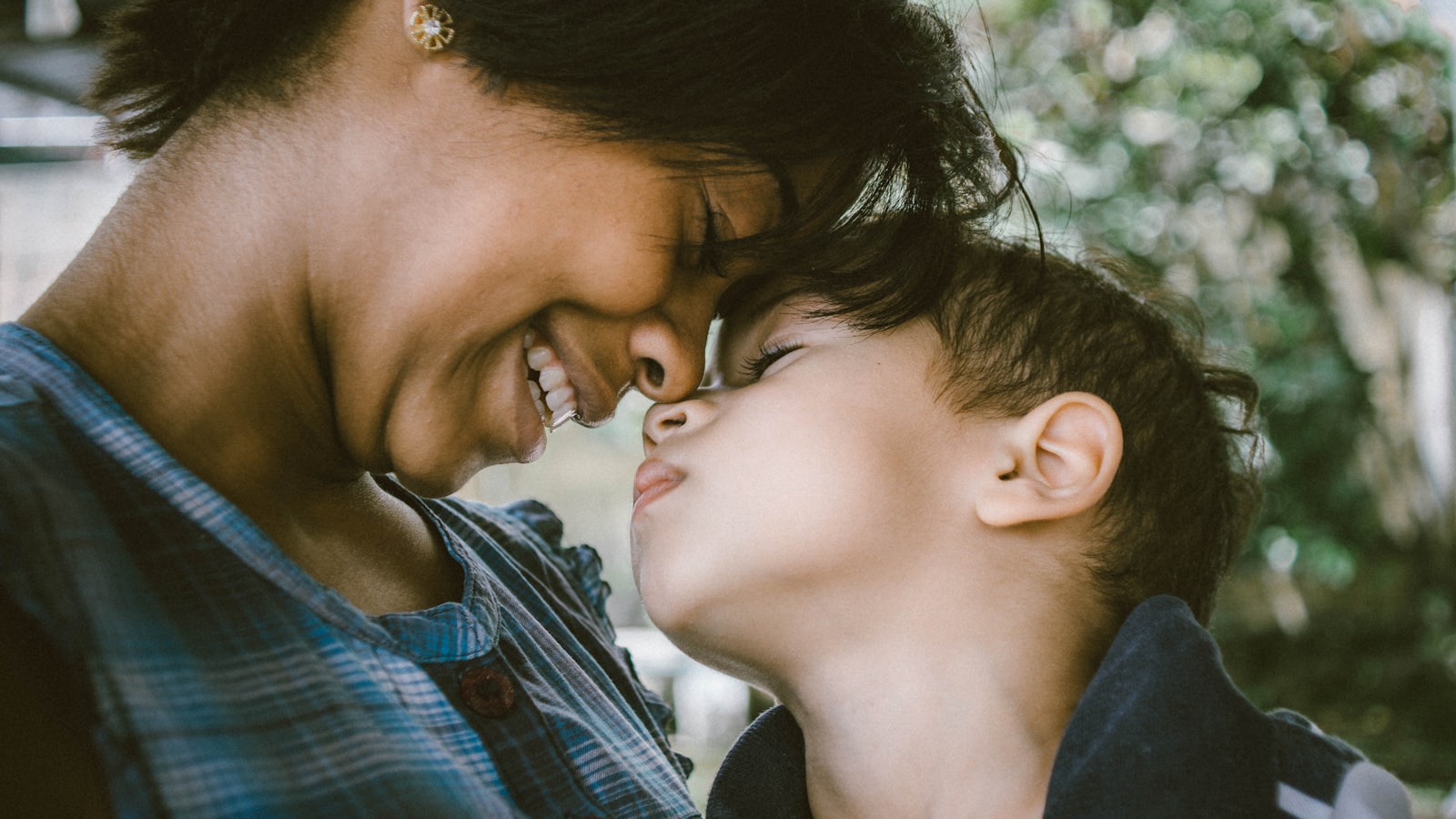
Making kids apologize is one of the most reflexive moves in American parenting, and the research suggests it often does the opposite of what parents intend. Children as young as four can tell the difference between an apology someone wanted to give and one that was squeezed out of them, and a coerced sorry tends to make the apologizer less likeable to the other child, not more.
Which puts parents in an awkward spot at the playground, because the alternative that gets suggested, letting it go, is not acceptable either. There is a third option, and it is not a softer version of the first two.
What the research actually found about forced apologies
Developmental psychologist Craig Smith, working at the University of Michigan, ran a set of studies asking children aged four to nine to evaluate three scenarios: a child who apologized unprompted, a child who was prompted by an adult but gave the apology willingly, and a child who was clearly coerced into it.
The gap was dramatic. Around 90 percent of the children thought the recipient of the prompted-but-willing apology would feel better. Only about 22 percent thought the same about the coerced apology. Older children in the seven-to-nine range went further: they rated the coerced apologizer as less nice than the willing one, and judged the apology less effective at communicating remorse.
Note what that means practically. The coerced apology did not merely fail to help. It moved the apologizing child down in the other child’s estimation. The ritual designed to repair the relationship damaged it a second time.
Notice also what the research did not say. Prompting is fine. The children in the study saw prompted apologies as nearly as good as spontaneous ones, provided the child gave it willingly. The problem is not the parent saying something. It is the parent extracting something.
Why does forcing a sorry backfire?
Because an apology is not a sentence. It is a claim about your internal state, and everyone within earshot, including a five-year-old, is evaluating whether the claim is true.
When your child mutters sorry while glaring at the floor, the other child receives two messages simultaneously: the words, and the body language contradicting them. Children resolve that contradiction the same way adults do. They believe the body. Then they draw a further conclusion, which is that this kid does not actually think they did anything wrong and is only performing for a grown-up.
There is a longer-term cost too. A child who learns that sorry is the password for ending an uncomfortable conversation has learned exactly that, and nothing about repair. This is the same underlying skill gap discussed in rupture and repair: repair is a competence, and competences are built rather than commanded.

A child who is still flooded cannot access empathy yet, which is why the apology comes out hollow. Photo: Arwan Sutanto / Unsplash.
What to do instead of demanding an apology
The replacement is not permissiveness. It is a sequence, and the order matters more than the wording.
1. Attend to the hurt child first
Turn to the child who got knocked over, not the one who did it. This is counterintuitive because our attention snaps to the offender, but going to the injured child first does two things at once: it gives the person who is actually hurt what they need, and it removes the audience your child is performing for. It also models the thing you are trying to teach, which is noticing another person’s state.
2. Wait for the nervous system to come down
A child mid-flood cannot generate empathy, because the machinery for it is temporarily offline. Anything you extract in that window is theater. Sixty seconds of quiet is usually enough for a young child. The apology can happen later; it does not expire.
3. Ask what happened before you ask for sorry
Not as an interrogation, and not as an invitation to justify. What happened? then What do you think Maya felt when the tower came down? The second question is the whole intervention. You are not asking them to feel bad. You are asking them to notice, which is the precondition for a real apology and the part the forced version skips entirely.
4. Offer repair options, including non-verbal ones
This is the move most parents have never been taught. Ask: what could you do to make it better? Rebuilding the tower. Getting an ice pack. Drawing something. For a child who is not ready to speak, an act of repair is often more sincere and more legible to the other child than words would be. It also gets the injured child something concrete, which a mumbled sorry never does.
5. Prompt, and accept a no
You can absolutely say would you like to tell her you are sorry? That is prompting, and the research is comfortable with it. What you accept is that the answer might be no today. A no is information about readiness, not a discipline failure.

Repair that the other child can see and feel does more than a sentence they do not believe. Photo: MI PHAM / Unsplash.
But what about the other parent watching?
This is the honest reason most forced apologies happen, and it deserves saying out loud. The demand is frequently addressed less to your child than to the adult standing six feet away with folded arms. You want it visible that you are handling it.
You can meet that need without using your child as the instrument. Say the accountability part yourself, in a normal voice: Ben knocked it over, and we are going to fix it. That is a public acknowledgment of responsibility plus a concrete remedy, which satisfies almost every reasonable onlooker. If someone still needs to hear a specific word from a four-year-old to feel that justice happened, that is a preference you are allowed to disappoint.
Does this mean apologies do not matter?
The opposite. Apologies matter enormously, which is precisely why they are worth protecting from becoming a reflex. A child who has been walked through this sequence a few dozen times over several years usually ends up apologizing spontaneously and specifically, because they have learned what an apology is for rather than what it gets them out of.
The version that produces the fastest compliance and the slowest learning is the one that ends the incident in four seconds. The version that produces the slowest compliance and the fastest learning takes about two minutes. Over a childhood, that is a trade most parents would take if anyone framed it as a trade.
Frequently asked questions about making kids apologize
At what age can a child give a genuine apology?
Most children can connect their action to another person’s feelings somewhere around three to four with support, and can do it more independently by six or seven. Before three, the useful goal is noticing the other child’s distress rather than producing a formula.
Is prompting an apology the same as forcing one?
No, and this is the key distinction in the research. Children judged prompted apologies given willingly as nearly as valuable as spontaneous ones. What they discounted was the apology visibly extracted from a resistant child. Prompt freely; do not coerce.
What if my child refuses to apologize at all?
Accept it for the moment and redirect to a repair action, which is often easier for a resistant child and lands better with the other party. Revisit the words later that day when everyone is calm. Refusal in the heat of the moment is usually about pride, not about a lack of remorse.
Should siblings be made to apologize to each other?
The same principle applies, with an added caution: forced apologies between siblings tend to feed score-keeping, because the child who was made to say it remembers being made to say it. Repair actions work better inside a household where both children have to live with the outcome. There is related reading on why brothers and sisters diverge so sharply in why siblings are so different.
This article is general parenting education, not clinical advice. If your child shows persistent difficulty recognizing other people’s distress, or aggression that does not respond to ordinary guidance, a pediatrician or child psychologist is the right next step. More reading in our family life and parenting archive and on the risk of overcorrecting in gentle parenting burnout.